
Why Indian football clubs are signing South American press-triggers again.

Three ISL clubs have spent their January window on high-volume No. 6s from Argentina and Uruguay. There's a clear tactical reason, and it starts with how the league is being refereed now.
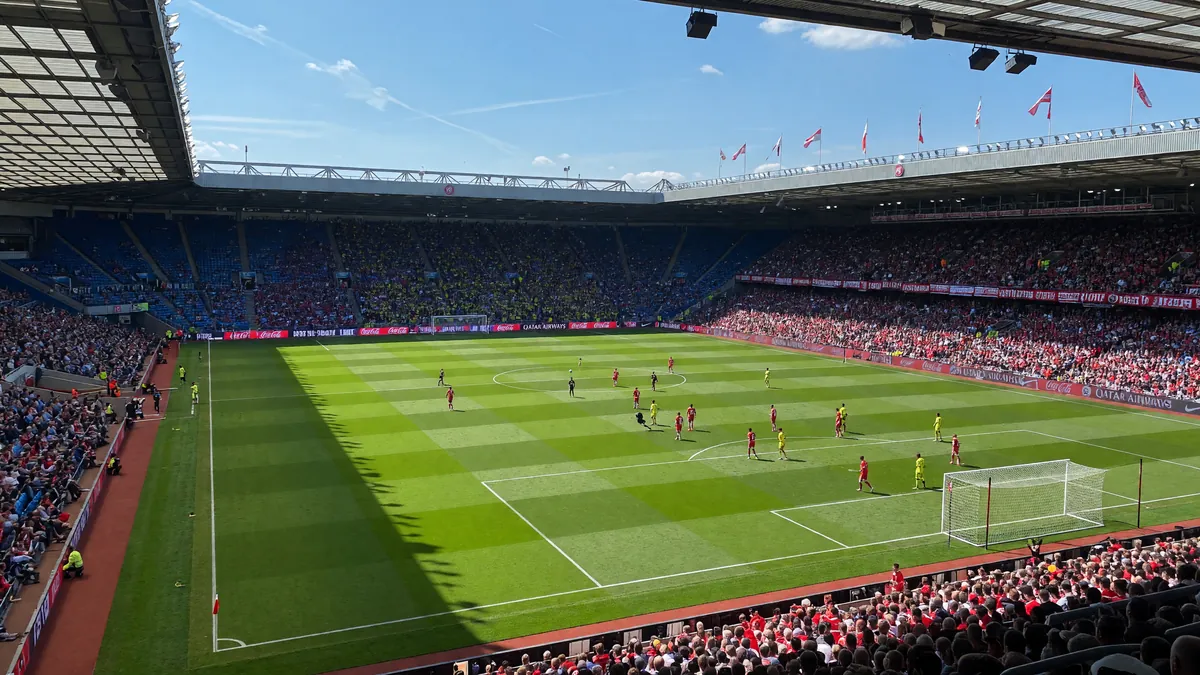
Football stadium pitch during a daytime league match with players lined up for a free kick
An afternoon ISL fixture, January transfer window. Photo: ISL media pool.

Three clubs, one profile

Between the opening of the January window and its close, three ISL clubs signed a midfielder from the Argentine or Uruguayan first division who had completed more than 60 defensive actions in the opposing half during the previous calendar year. None of the three signings were marquee names. Two had not played in a senior national team. All three were acquired on multi-year contracts. The profile of the signing — a 24-27-year-old No. 6 who can cover ground, time a press trigger, and recover position — is the same at each club. The profile matters because the league has changed. The new refereeing directive, communicated by the AIFF at the start of the season, has reduced the average duration of stoppages in the middle third of the pitch. The longer rest periods between phases that defined the league's last decade are gone. The clubs that did not adapt in the summer window are now buying the profile that allows them to adapt in January.

What a press-trigger No. 6 actually does

The press-trigger midfielder is not the No. 6 who wins the ball back. That player still exists, and still matters. The trigger midfielder is the one who initiates the press on the opposition centre-back by stepping into the passing lane on the far side of the pitch at the moment the centre-back receives. The action itself — a two-step move into the lane — looks small. The consequence is that the centre-back has to play to the near-side centre-back rather than to the inverting full-back, which compresses the opposition's build into a 25-metre corridor. The corridor is where the second press engages. The No. 8 and the No. 10 close down the corridor together, the winger tucks in to deny the switch, and the No. 6 holds the middle. The whole sequence runs in six to eight seconds. If the trigger is mistimed, the No. 8 and No. 10 are caught up the pitch, the corridor reopens, and the opposition plays through. The profile of the player at No. 6 — the timing, the discipline, the willingness to hold position — is what makes the press work or fall apart.

Why the refereeing directive changed the calculus

The previous standard at ISL level was to allow the defending side to recover position before penalising the press. That gave the defending team three to four seconds of cushion after losing the ball. The press-trigger No. 6 had to be conservative — committing too early to the trigger meant fouling, and fouling meant a free kick against in a dangerous area. Clubs trained their No. 6 to read the referee's whistle rather than read the game. The new directive tightens the standard. The press-trigger who steps into the lane on the far side is now protected if the contact is light and the angle is right. The defending side is expected to recover at pace, not at walking speed. The cushion is gone. The No. 6 who can commit to the trigger without worrying about the whistle — because the whistle will not come for a legal step-in — is the No. 6 who unlocks the press.

Three clubs, three different reasons

The first club signed their No. 6 to replace a long-serving veteran who is leaving in the summer. The signing is a year-long handover. The second club signed their No. 6 to fix a specific tactical problem — they were conceding too many shots from the corridor between the two centre-backs in the second half of matches. The third club signed their No. 6 because the manager changed in November and the new manager runs a 4-3-3 with a single No. 6. The previous No. 6 was a ball-playing midfielder who was not suited to the role. The unifying thread is not the budget or the manager. It is the league. All three clubs had been watching the same tape, reading the same directive, and identifying the same gap in their squad. The gap is the No. 6 who can time the trigger in a refereeing environment where the trigger is protected.

What the summer window will look like

If the new directive holds through the second half of the season, expect a second wave of the same signing in the summer window. The clubs that did not act in January will be watching the same tape their rivals watched, and will arrive at the same conclusion. The price of the profile will rise. The clubs that have already signed will have a head start on integration, and the head start is the part that matters most in a role that depends on trust between the No. 6, the No. 8 and the manager. A secondary signal to watch: the clubs that have not signed the profile but have promoted a 19-20-year-old from the academy into the role. Two of the bottom-half clubs have done this. If the directive holds and the academy player grows into the role, they will be a year ahead of the clubs that wait to sign the profile in the summer. If the directive loosens, the academy player will be exposed, and the summer window will be busy.