What's on this page
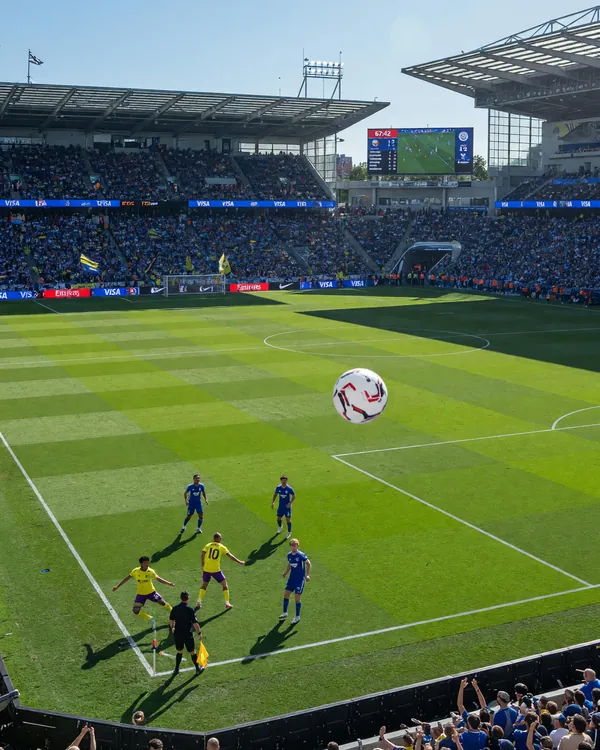
Today's live scores
Live football scores across every league the desk covers. The match centre cross-references the league's official data feed against the broadcaster's on-screen graphic — when the two disagree, the league feed wins and the editorial desk publishes a note on the match page.
Leagues the desk covers
| League | Coverage |
|---|---|
| Indian Super League (ISL) | Live scores, post-match notes, weekly Indian-football column |
| Indian national teams (Senior, U-23, U-17) | Match previews, tactical notes, post-match analysis |
| Premier League | Live scores, weekend recap, club-by-club form |
| La Liga | Live scores, midweek round-up, feature pieces on Indian-owned clubs |
| Champions League & Europa League | Live scores, knockout previews |
| Durand Cup & Super Cup | Live scores, group-stage coverage |
| AFC Asian Cup qualifiers | Live scores, India match coverage |
Inside the match centre: xG maps
Every live match on the football desk comes with an expected-goals (xG) map that updates in near-real-time. Each shot is plotted by location, with the size of the marker proportional to the xG value and the colour indicating whether it was scored. The cumulative xG line sits underneath the chart, so you can see how the game's "expected" winner has shifted as the match has progressed.
What xG won't tell you
xG is a useful context layer, not a verdict. It tells you the chances a side created, not the ones their goalkeeper prevented. We pair every xG chart with a short editorial note that names the chances the model missed — the off-ball runs, the defensive headers, the midfield duels.
How we calculate xG
The match centre uses an event-data feed rather than a tracking-data feed. For every shot, we record the body part, the assist type (cross, through-ball, cut-back, set-piece, rebound), the distance from goal, the angle, and whether the shot was a one-on-one. These five inputs feed a model that produces the xG value shown on the chart. The model is updated quarterly against end-of-season results.
Indian football, in detail
The football desk treats Indian football as the primary beat, not a sidebar. We have a permanent columnist — Anita Desai — who covers ISL club-by-club, and a weekly tactical piece on the Indian senior team. The writing isn't promotional; it names what's working, what's failing, and where the federation's decisions need scrutiny.
Recent football-desk pieces include:
- Indian football's press-trigger revolution — why ISL clubs spent their January window on South American No. 6s.
- The Durand Cup's quiet renaissance — what changed in 2025 that brought the stands back.
- Sunil Chhetri's farewell tour, by the numbers — the goals, the minutes, the matches that defined his last season.
- Why the AIFF's new coach picked this squad — a tactical breakdown of the senior-team call-ups.
Football desk FAQ
Does the football desk cover the Indian Women's League?
Yes. The IWL is covered with the same match centre as the men's ISL, and the women's football beat shares editorial space with the senior women's cricket beat on the editorial desk.
What is the editorial stance on Indian football clubs?
We cover ISL clubs the way we cover Premier League clubs — critical when the criticism is earned, generous when the play deserves it, and transparent about who owns what. We do not run sponsored club content.
Are the xG numbers your own model?
The match centre uses an event-data model. We publish the model's inputs and an explanation of its limitations on every chart, and we update the methodology doc every quarter.
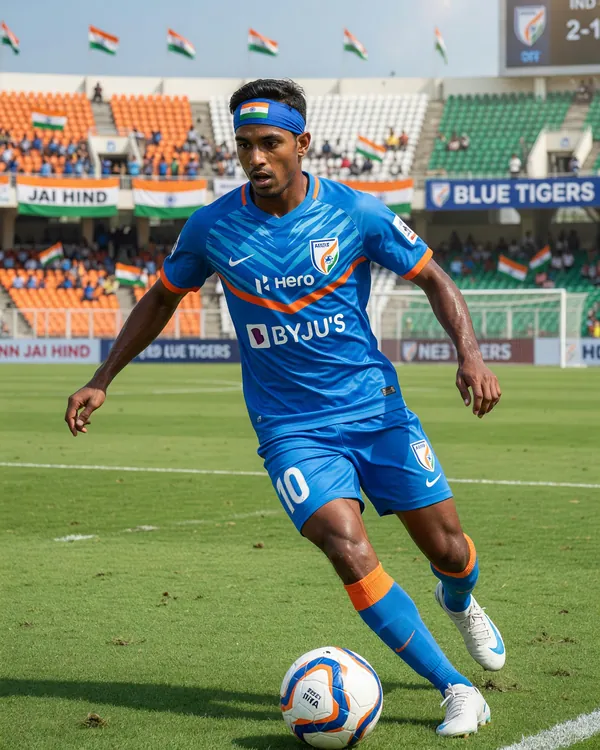
Last updated today · Cover photo: AIFF open archive · 18+ only.