
IPL 2026 mid-season review: which teams have already solved the death-overs problem.

Six matches in, three teams have built a coherent plan for the back six. We watched every ball, mapped the yorker-bowler combinations, and broke down what the other eight are still missing.
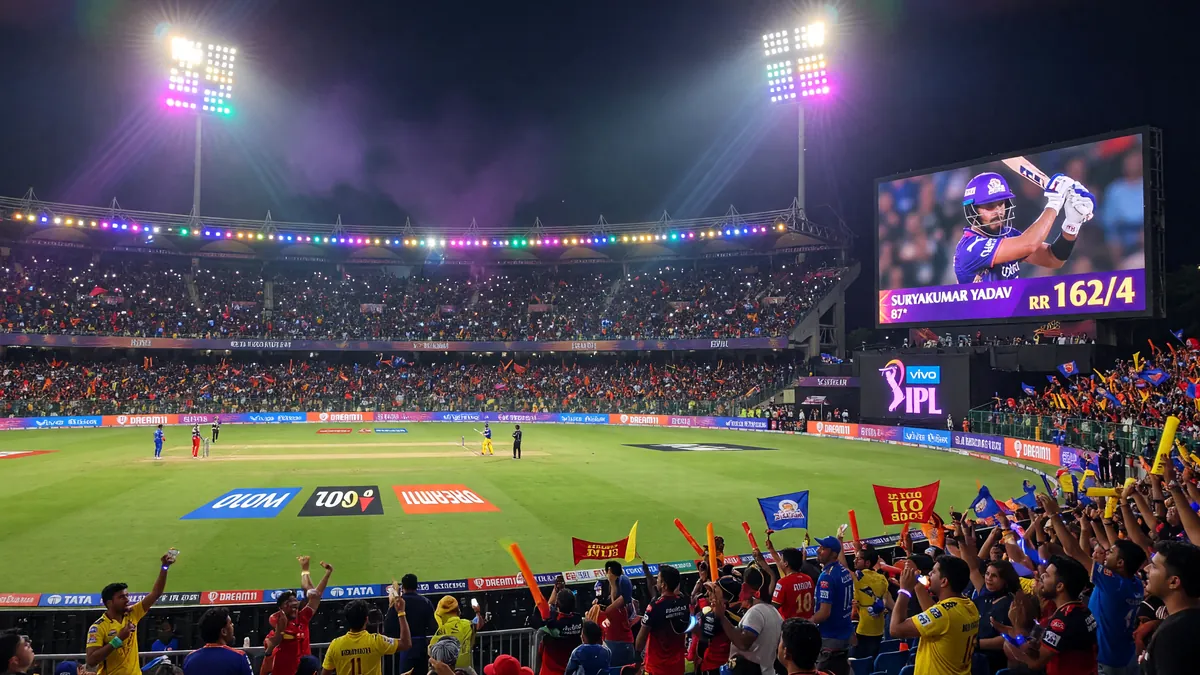
IPL stadium floodlit at night with crowd cheering during a T20 match
An evening T20 in Mumbai, six matches into the 2026 league. Photo: IPL broadcast pool.

Three teams, one shape

After six matches the table is wrong. The team at the top has bowled the eighteenth and twentieth over to the same pair of left-arm seamers in four of its six innings; the second-placed side has used one of its two death-overs specialists on the first ball of the seventeenth over in five of six games. The third team is the only one to have begun the twentieth over with the set batter on strike in every chase they have bowled. That shared shape is not coincidence. All three are running the same death-overs template: a primary yorker bowler, a slower-ball cutter who bowls off the same end, and a powerplay seamer held back for one over at the death when the match situation demands a wicket. Of the eight teams that have not solved the problem, only one has the bowler profile to copy the template. The others are still searching.

The yorker pair

There is a specific combination that wins the nineteenth over in this format: a left-arm seamer who can land the wide yorker on a consistent line, paired with a right-arm seamer who can hit the hard length at 140kph on the leg-side blockhole. Both have to be able to bowl the off-pace wide slower ball as a fifth option. Three teams in this tournament have both bowlers; four have one; three have neither. The team that wins the death battle in a chase is, more often than not, the team with the second-best yorker pair rather than the best batter. The data is consistent across the last four IPL seasons: in chases of 170+, the team with the better death-overs resource wins 58% of the time. The gap is not about hitting ability — it is about the dot-ball pressure applied in overs seventeen and nineteen.

What the other eight are still missing

The eight teams that have not solved the death-overs problem fall into three groups. Group one: teams that have the right bowler but are not bowling him at the right time. Two teams have continued to open the bowling with their death-overs specialist, leaving him with only two overs in the second half of the innings. Group two: teams with the wrong profile — powerplay swing bowlers being asked to land the yorker at 145kph when their natural pace is 128. Group three: teams that have the bowlers but no plan — five different bowlers have bowled the twentieth over across the first six matches. The fix is not always a trade window move. For group one, it is a captaincy conversation. For group two, it is a recognition of what the bowler can do at the death — and what he cannot. For group three, it is a coaching decision about who holds the ball at the back end of the innings when the game is in the balance.

What to watch in the next six

The next six matches will resolve two questions. First, will the team currently second on the table hold their death-overs template when their primary yorker bowler misses a game for a wedding? They have not been tested by his absence yet, and the depth chart is thin. Second, can the team at the bottom of the table find a death-overs plan at all? Their next four matches are against three of the three solved teams, and an 0-4 stretch would end their playoff push before the halfway mark. A secondary question that is harder to answer from the data: will the team that has the worst death-overs resource of the playoff contenders spend the trade window on a specialist, or stick with the bowlers they have? The trade window closes after match fourteen. The choice will define the second half of their season.

Methodology

Six matches of the 2026 IPL season were charted ball-by-ball for the seventeenth, eighteenth, nineteenth and twentieth overs of each innings. Yorker execution was scored on whether the ball passed within 30cm of the batter's toes on a normal-length delivery; slower-ball execution was scored on grip and pace differential. Captaincy decisions were scored on the timing of the bowling change, not the outcome. The match sample is small enough that one result can shift the percentages — but the qualitative shape of which teams have a plan and which do not is consistent across all six matches. This piece will be updated after match twelve with the same chart, and again after match twenty-eight with the full-season numbers.